

Argument in Academic Writing: A Systematic Scoping Review
Background: Argumentative writing represents a core dimension of academic literacy within higher education; however, research concerning “argument,” “argumentation,” and “argumentative writing” remains dispersed across distinct disciplinary paradigms and commonly draws upon non-equivalent conceptual definitions and analytical methodologies. This fragmentation has practical consequences for teaching and assessment, particularly as technology-enhanced writing environments and AI-mediated support expand the range of tools used to scaffold and evaluate argumentation.
Purpose: To map the conceptual and methodological approaches to studying argument in academic writing in higher education, including definitions of argumentative writing, the argument models employed, the ways argument quality is operationalized, the dominant research directions, and the role of digital and AI-mediated environments in the teaching and assessment of argumentation.
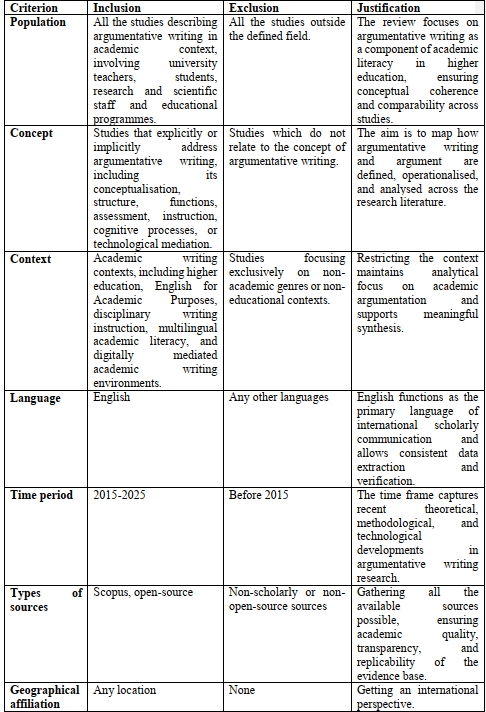
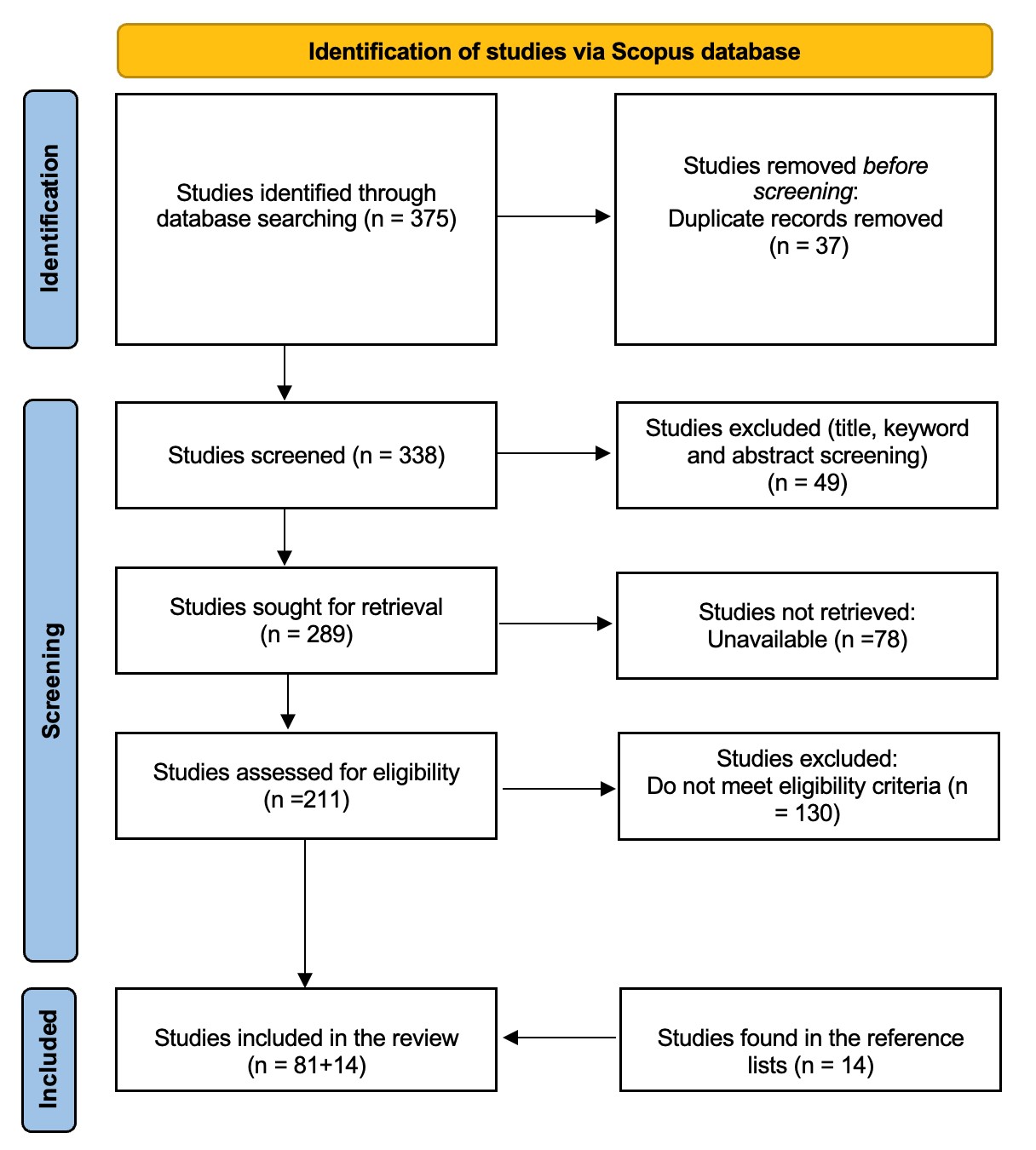
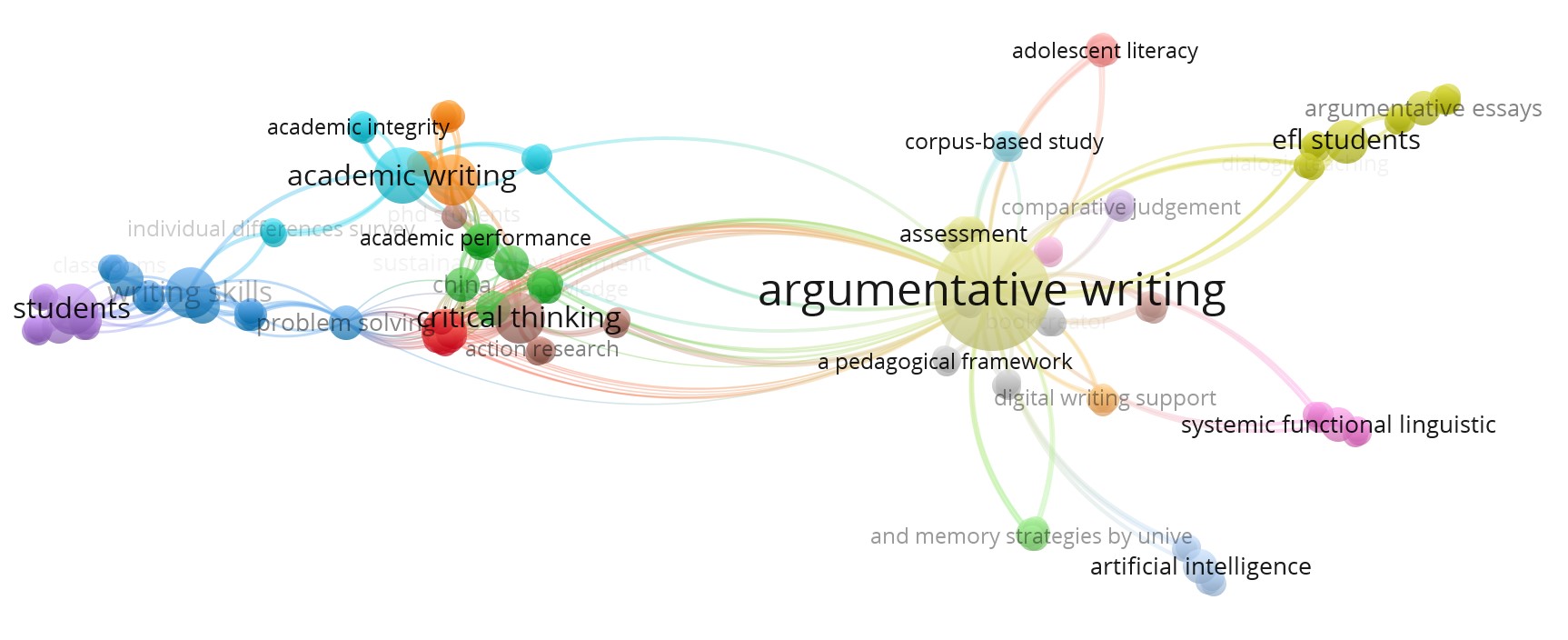
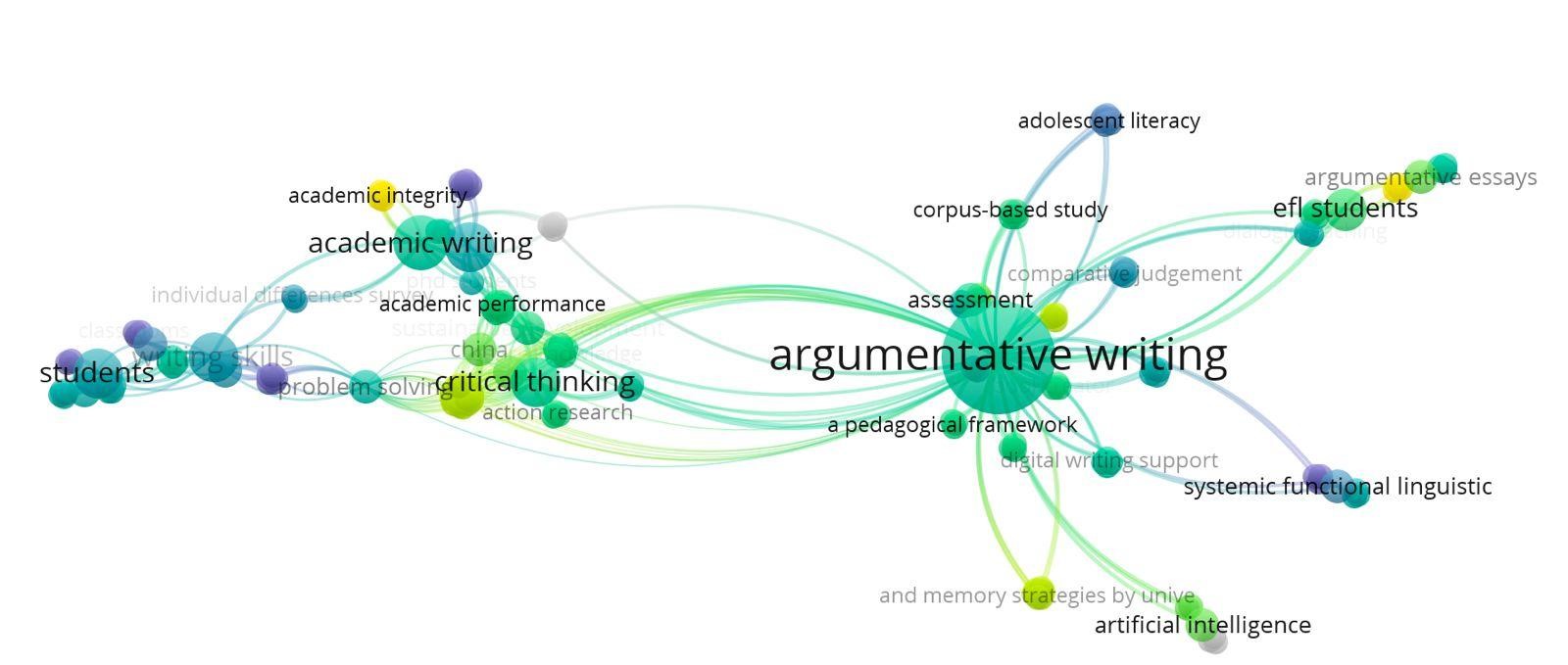
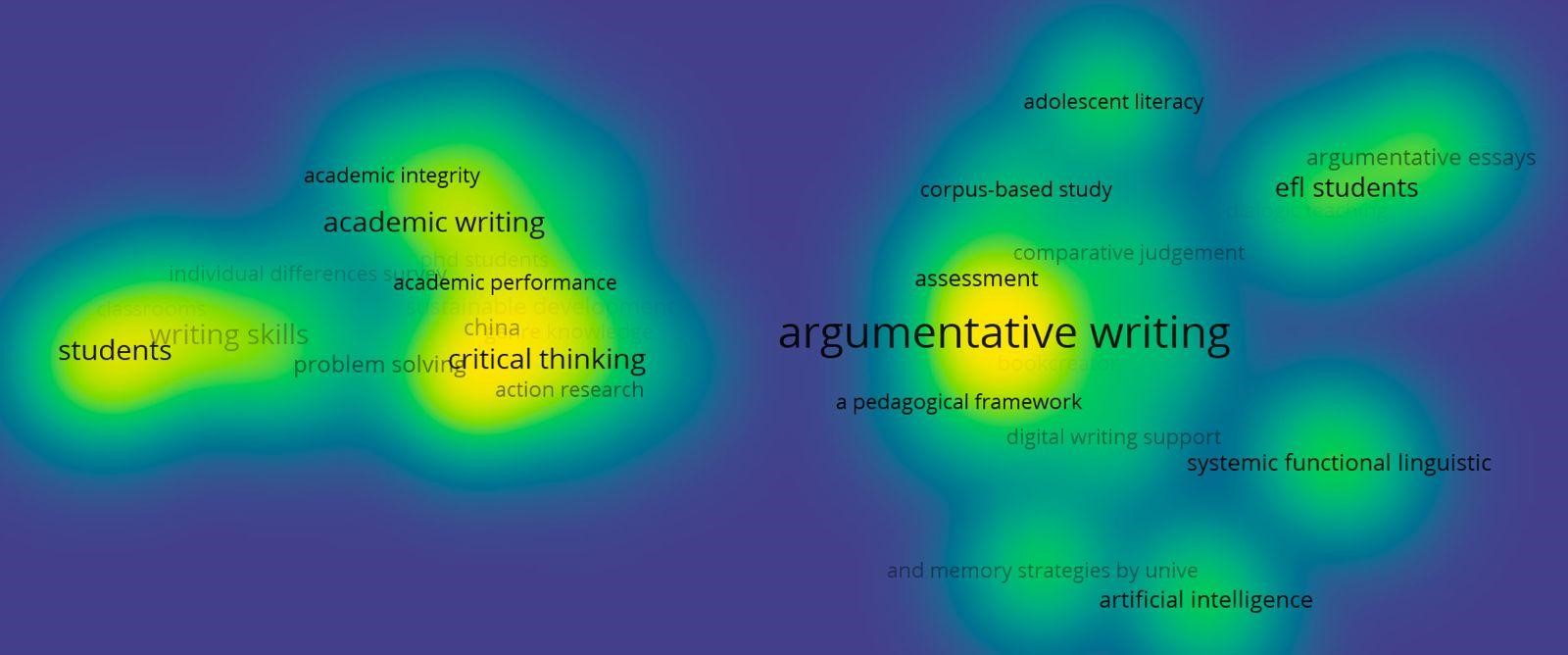
Materials and Methods: The review followed PRISMA-ScR guidance and used a PCC framework to define the sources eligibility. A structured search was conducted in Scopus on 27 September 2025 using predefined Boolean queries covering argumentative writing, academic writing, and higher education; backward reference searching was also applied to identify additional relevant studies. Records were screened against inclusion and exclusion criteria, and data were charted in a standardised extraction form. The synthesis combined (a) bibliometric keyword co-occurrence mapping using VOSviewer to identify major thematic blocks and (b) expert thematic coding to interpret conceptualisations, models, and methodological patterns across the literature under analysis. Inter-coder agreement was established during iterative coding.
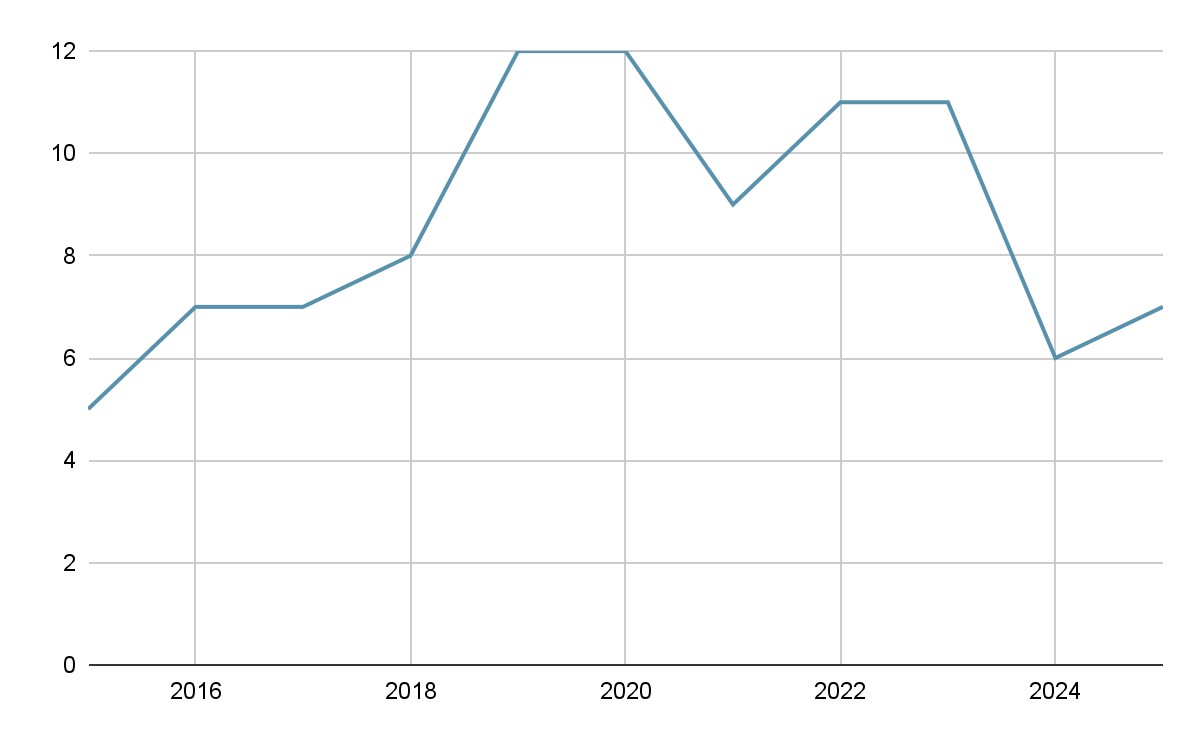
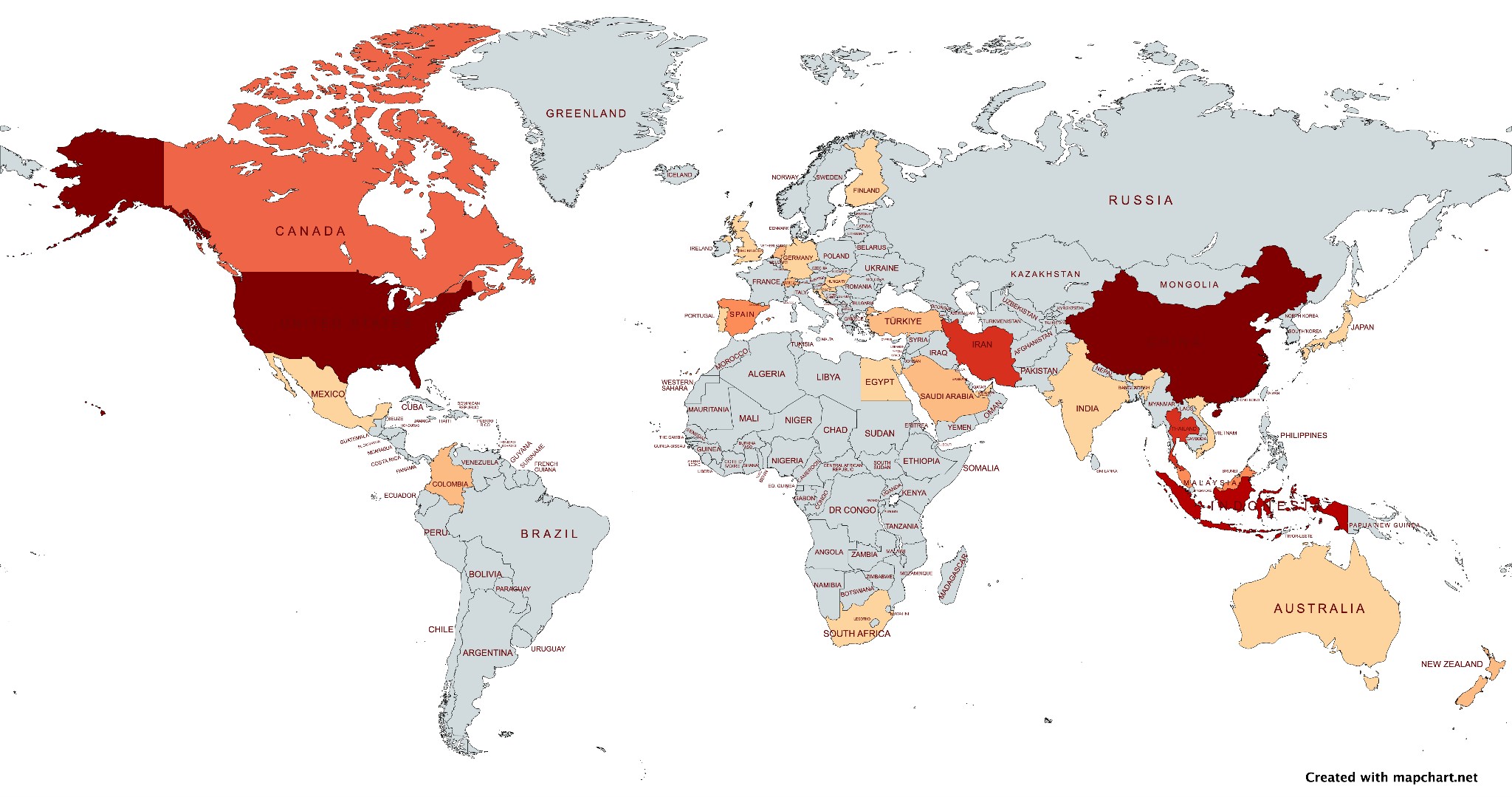
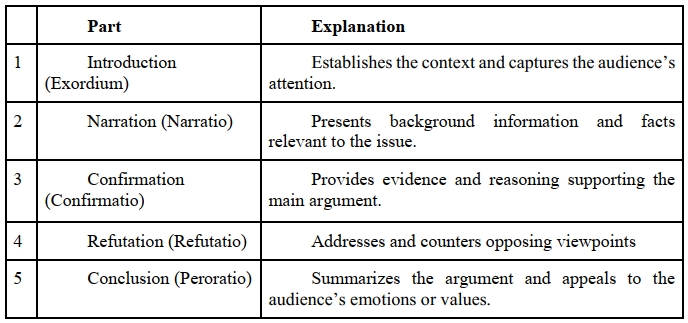
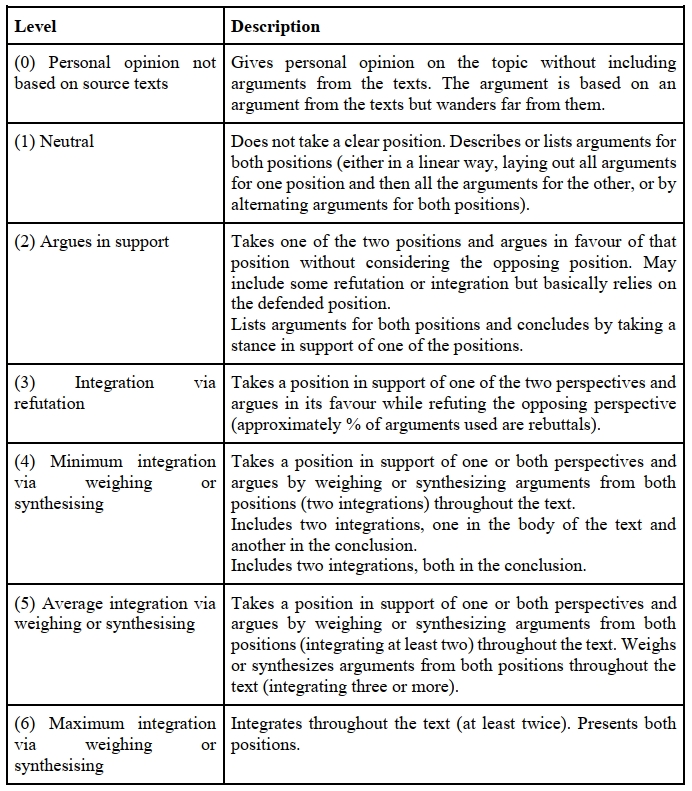
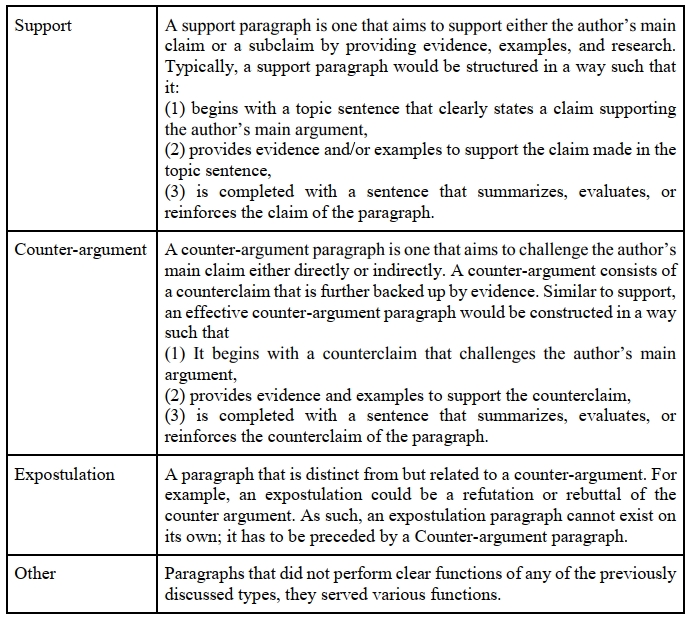
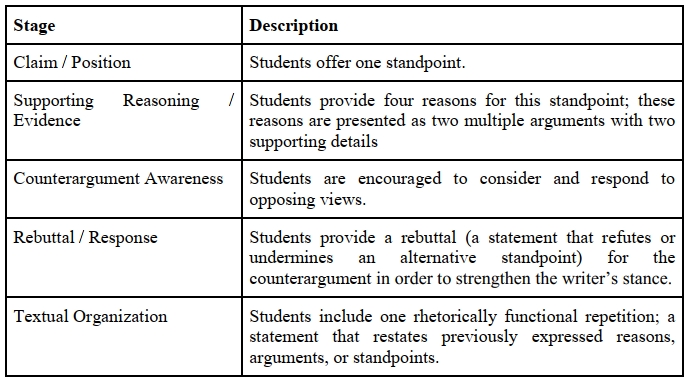
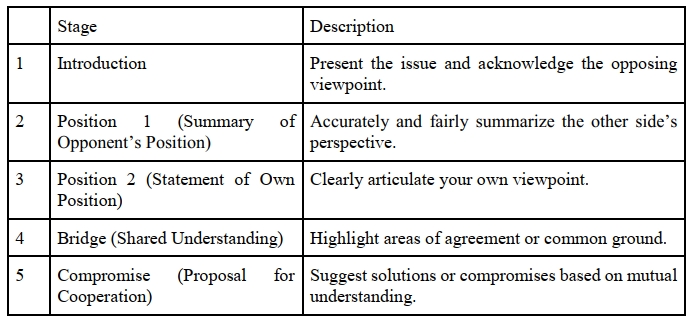
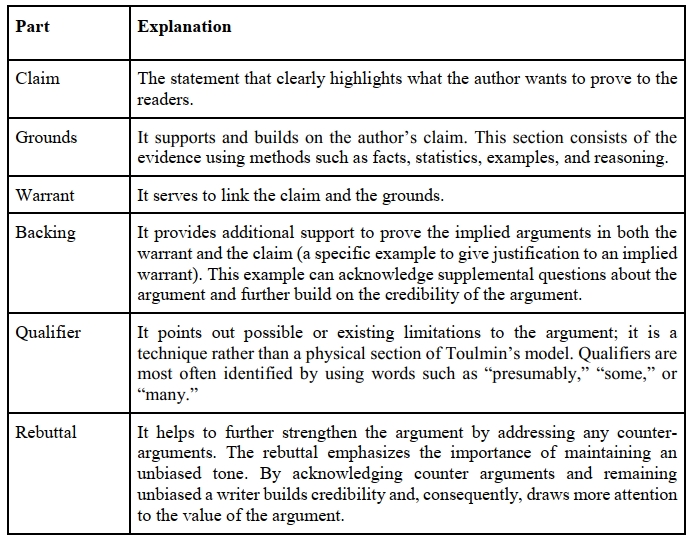
Results: Ninety-five sources were included in this review. Publication output increased after 2018, with the largest share of studies appearing around 2019–2020, and the evidence base was geographically concentrated in Asia and the Americas. Bibliometric mapping and expert synthesis converged on several recurring blocks: theoretical and definitional work on argument/argumentation in academic writing; pedagogical studies on teaching argumentative writing and related scaffolding; assessment-oriented research (rubrics, indicators of quality, and technology-supported evaluation); sociolinguistic and interlinguistic perspectives, especially in EFL/L2 contexts; and an emergent strand focused on digital writing environments, automated feedback, and AI-enabled support. Across the corpus, Classical, Toulmin-based, and Rogerian traditions function as influential modelling frameworks, but they are applied inconsistently, and operationalisations of argument quality vary substantially: most commonly privileging detectable structural elements over comparably stable measures of reasoning strength or epistemic integration.
Conclusion: The review shows that the development of research on argumentative writing in higher education is constrained not by a lack of studies, but by the absence of conceptual and methodological coherence. Differences in the definitions of argument, the models used for its analysis, and the approaches to assessing its quality limit the comparability of findings and complicate the translation of research insights into teaching and assessment practice. Under these conditions, the integration of argumentation theories with more robust and substantively oriented approaches to argument assessment becomes particularly important, especially against the backdrop of the growing automation of the structural aspects of writing in digital and AI-mediated environments.
Figures
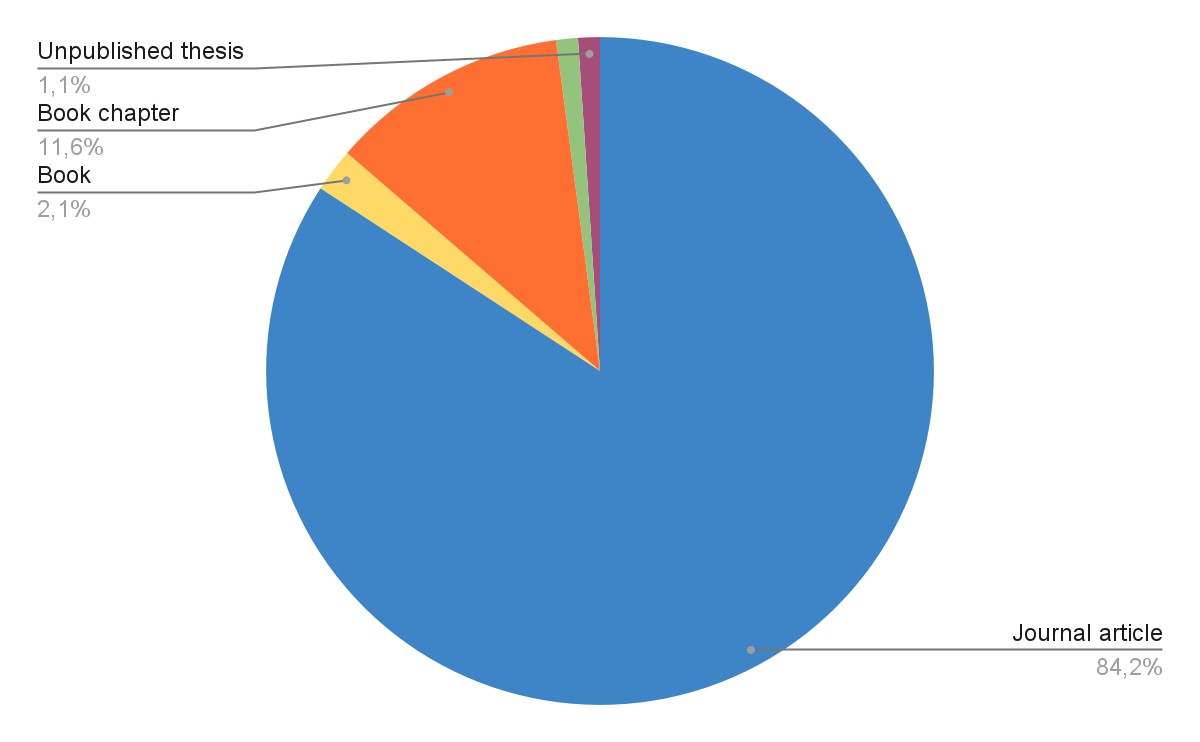
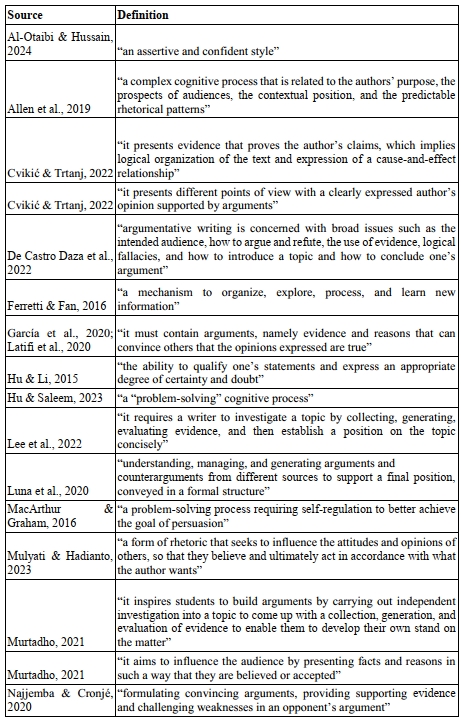
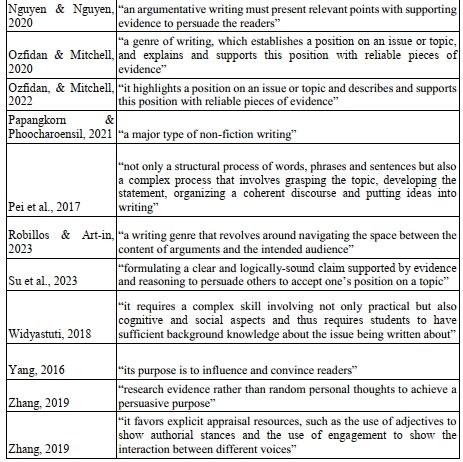
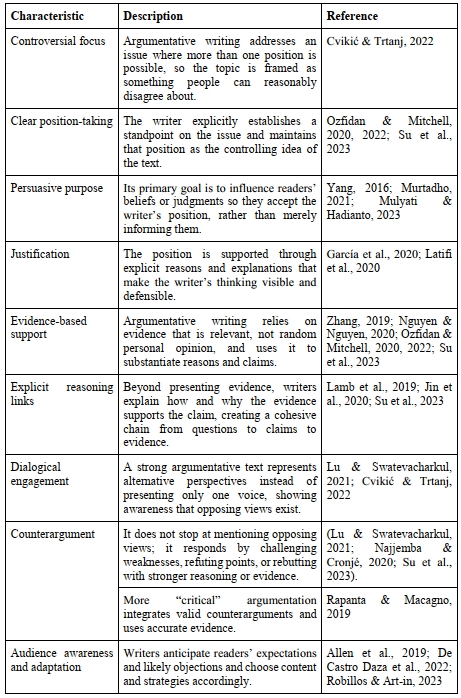
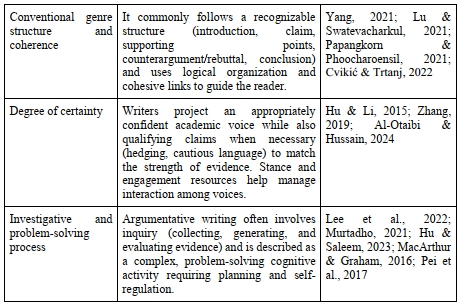
Tikhonova, E. V., Mezentseva, D. A. (2026). Argument in Academic Writing: A Systematic Scoping Review, Research Result. Theoretical and Applied Linguistics, 12 (1), 146–220.
















While nobody left any comments to this publication.
You can be first.
Abdollahzadeh, E., Amini Farsani, M. and Beikmohammadi, M. (2017). Argumentative writing behavior of graduate EFL learners', Argumentation, 31 (4), Article 4. DOI: 10.1007/s10503-016-9415-5 (In English)
Akib, E., Muhsin, M. A., Hamid, S. M. and Irawan, N. (2024). Critical thinking in authentic assessment: An exploration into argumentative writing in non-English departments in higher education, International Journal of Language Education, 8 (4), 854–869. DOI: 10.26858/ijole.v8i4.70051 (In English)
Allen, L. K., Likens, A. D. and McNamara, D. S. (2019). Writing flexibility in argumentative essays: A multidimensional analysis, Reading and Writing, 32 (6), 1607–1634. DOI: 10.1007/s11145-018-9921-y (In English)
Amini Farsani, M., Stapleton, P. and Jamali, H. R. (2025). Charting L2 argumentative writing: A systematic review, Journal of Second Language Writing, 68, Article 101208. DOI: 10.1016/j.jslw.2025.101208 (In English)
Almashour, M. and Davies, A. (2023). Exploring learning strategies used by Jordanian university EFL learners in argumentative writing tasks: The role of gender and proficiency, Frontiers in Education, 8. DOI: 10.3389/feduc.2023.1237719 (In English)
Al-Otaibi, G. M. and Hussain, A. A. (2024). The use of interactional metadiscourse markers by Saudi EFL male and female college students: The case of a gender-sensitive topic, Humanities and Social Sciences Communications, 11(1). DOI: 10.1057/s41599-024-03506-3 (In English)
Arroyo González, R., de la Hoz-Ruiz, J. and Montejo Gámez, J. (2020). The 2030 challenge in the quality of higher education: Metacognitive, motivational and structural factors predictive of written argumentation, Sustainability, 12(19), 8266. DOI: 10.3390/su12198266 (In English)
Athanases, S. Z., Bennett, L. H. and Wahleithner, J. M. (2015). Adaptive teaching for English language arts: Following the pathway of classroom data in preservice teacher inquiry, Journal of Literacy Research, 47 (1), 83–114. DOI: 10.1177/1086296X15590915 (In English)
Benetos, K. and Bétrancourt, M. (2020). Digital authoring support for argumentative writing: What does it change?, Journal of Writing Research, 12 (1), 263–290. DOI: 10.17239/jowr-2020.12.01.09 (In English)
Braun, V. and Clarke, V. (2006). Using thematic analysis in psychology, Qualitative Research in Psychology, 3 (2), 77–101. DOI: 10.1191/1478088706qp063oa (In English)
Cheong, C.-M., Zhu, X. and Xu, W. (2021). Source-based argumentation as a form of sustainable academic skill: A comparison of L1 and L2 writing, Sustainability, 13 (22). DOI: 10.3390/su132212869 (In English)
Cvikić, L. and Trtanj, I. (2022). Expressing causality in Croatian L1 and L2 argumentative writing, Rasprave Instituta za Hrvatski Jezik i Jezikoslovlje, 48 (1), 233–244. DOI: 10.31724/rihjj.48.1.10 (In English)
Davies, W. M., Barnett, A. and van Gelder, T. (2021). Using computer-aided argument mapping to teach reasoning, in Blair, J. A. (ed.) Studies in critical thinking. 2nd edn. Windsor: Windsor Studies in Argumentation, 115–152. (In English)
De Castro Daza, D., Argote, Z. L. P. and Roncancio, N. R. (2022). The dialogic nature of regulation in collaborative digital argumentative writing practices, Dialogic Pedagogy, 10, DT1–DT21. DOI: 10.5195/dpj.2022.468 (In English)
Deane, P., Song, Y., van Rijn, P., O’Reilly, T., Fowles, M., Bennett, R., Sabatini, J. and Zhang, M. (2019). The case for scenario-based assessment of written argumentation, Reading and Writing, 32 (6), 1575–1606. DOI: 10.1007/s11145-018-9852-7 (In English)
De La Paz, S., Ferretti, R., Wissinger, D., Yee, L. and MacArthur, C. (2012). Adolescents’ disciplinary use of evidence, argumentative strategies, and organizational structure in writing about historical controversies, Written Communication, 29, 412–454.(In English)
Ekalia, Y., Jemadi, F., Susanto, I. and Artikel, I. (2025). Critical thinking skills and argumentative writing ability: Is there any correlation?, DIAJAR: Jurnal Pendidikan dan Pembelajaran, 4 (3), 471–482. DOI: 10.54259/diajar.v4i3.5108 (In English)
Farrokhnia, M., Banihashem, S. K., Noroozi, O. and Wals, A. (2023). A SWOT analysis of ChatGPT: Implications for educational practice and research, Innovations in Education and Teaching International, 61 (3), 460–474. DOI: 10.1080/14703297.2023.2195846 (In English)
Ferretti, R. P. and Fan, Y. (2016) Argumentative writing, in MacArthur, C. A., Graham, S. and Fitzgerald, J. (eds.) Handbook of writing research. 2nd edn. New York: Guilford Press, 288–300. (In English)
Ferretti, R. P. and Lewis, W. E. (2019). Best practices in teaching argumentative writing, in Graham, S., MacArthur, C. A. and Fitzgerald, J. (eds.) Best practices in writing instruction. 3rd edn. New York: Guilford Press, 135–161. (In English)
García, L., Calle, M., De Castro, A., Soto, J. D., Torres, L., Candelo-Becerra, J. E. and Schettini, N. (2020). A short intervention study of argumentative writing in engineering: Less is more, European Journal of Engineering Education, 45 (2), 273–291. DOI: 10.1080/03043797.2019.1636211 (In English)
Geng, Y., Chen, G. and Li, M. (2024). Analyzing engagement strategies in argument chains: A comparison of high- and low-scoring EFL undergraduate essays, Journal of English for Academic Purposes, 71, 101428. DOI: 10.1016/j.jeap.2024.101428 (In English)
Ghaemi, F. and Mirsaeed, S. (2017). The impact of inquiry-based learning on EFL students’ critical thinking skills, EFL Journal, 2 (2), 89–102. DOI: 10.21462/eflj.v2i2.38 (In English)
Ghanbari, N. and Salari, M. (2022). Problematizing argumentative writing in an Iranian EFL undergraduate context, Frontiers in Psychology, 13, 862400. DOI: 10.3389/fpsyg.2022.862400 (In English)
Goldman, S. R., Britt, M. A., Brown, W., Cribb, G., George, M., Greenleaf, C., Lee, C. D., Shanahan, C. and Project READI (2016). Disciplinary literacies and learning to read for understanding, Educational Psychologist, 51 (2), 219–246. DOI: 10.1080/00461520.2016.1168741 (In English)
Guo, K., Li, Y., Li, Y. and Chu, S. K. W. (2023). Understanding EFL students’ chatbot-assisted argumentative writing: An activity theory perspective, Education and Information Technologies, 29 (1). DOI: 10.1007/s10639-023-12230-5 (In English)
Guo, K., Wang, J. and Chu, S. K. W. (2022). Using chatbots to scaffold EFL students’ argumentative writing, Assessing Writing, 54, 100666. DOI: 10.1016/j.asw.2022.100666 (In English)
Hatipoğlu, Ç. and Algı, S. (2018) Catch a tiger by the toe: Modal hedges in EFL argumentative paragraphs, Educational Sciences: Theory & Practice, 18, 957–982. DOI: 10.12738/estp.2018.4.0373 (In English)
Hisgen, S., Barwasser, A., Wellmann, T. and Grünke, M. (2020). The effects of a multicomponent strategy instruction on the argumentative writing performance of low-achieving secondary students, Learning Disabilities: A Contemporary Journal, 18 (1),
93–110. (In English)
Hsin, L. and Snow, C. (2017). Social perspective taking: A benefit of bilingualism in academic writing, Reading and Writing, 30 (6), 1193–1214. DOI: 10.1007/s11145-016-9718-9 (In English)
Hu, C. and Li, X. (2015). Epistemic modality in the argumentative essays of Chinese EFL learners, English Language Teaching, 8 (6), 20–31. DOI: 10.5539/elt.v8n6p20 (In English)
Hu, Y. and Saleem, A. (2023). Insight from the association between critical thinking and English argumentative writing, PeerJ, 11, e16435. DOI: 10.7717/peerj.16435 (In English)
Hutasuhut, M. L., Chen, H. and Matruglio, E. (2023). Engaged at first sight: Anticipating your audience as a way to think critically in writing an argument, Indonesian Journal of Applied Linguistics, 12 (3), 680–693. DOI: 10.17509/ijal.v12i3.55170 (In English)
Ilyas, H. and Arifin, S. (2025). Critical thinking in EFL students’ argumentative writing: Manifestations and challenges, Voices of English Language Education Society, 9 (2), 358–371. DOI: 10.29408/veles.v9i2.29656 (In English)
Ivanič, R. (2004). Discourses of writing and learning to write, Language and Education, 18, 220–245. (In English)
Jin, T., Su, Y. and Lei, J. (2020). Exploring blended learning design for argumentative writing, Language Learning & Technology, 24 (2), pp. 23–34 [Online], available at: http://hdl.handle.net/10125/44720 (Accessed 30.09.2025). (In English)
Kaewneam, C. (2025). Thai EFL students’ ability to reason as results of training in written argumentation, LEARN Journal: Language Education and Acquisition Research Network, 18 (2), 158–182. DOI: 10.70730/UMKL8104 (In English)
Khampusaen, D. (2025). The impact of ChatGPT on academic writing skills and knowledge: An investigation of its use in argumentative essays, LEARN Journal: Language Education and Acquisition Research Network, 18 (1), 963–988. DOI: 10.70730/PGCQ9242 (In English)
Kibler, A. K. and Hardigree, C. (2017). Using evidence in L2 argumentative writing: A longitudinal case study across high school and university, Language Learning, 67 (1), 75–109. DOI: 10.1111/lang.12198 (In English)
Kleemola, K., Hyytinen, H. and Toom, A. (2022). The challenge of position-taking in novice higher education students’ argumentative writing, Frontiers in Education, 7, 885987. DOI: 10.3389/feduc.2022.885987 (In English)
Klein, P. D., Arcon, N. and Baker, S. (2016). Writing to learn, in MacArthur, C. A., Graham, S. and Fitzgerald, J. (eds.) Handbook of writing research. 2nd edn. New York: Guilford Press, 243–256. (In English)
Lamb, R., Hand, B. and Yoon, S. Y. (2019). An exploratory neuroimaging study of argumentative and summary writing, in Prain, V. and Hand, B. (eds.) Theorizing the future of science education research. Cham: Springer, 75–94. DOI: 10.1007/978-3-030-24013-4_5 (In English)
Lam, Y., Hew, K. F. and Chiu, K. F. (2018). Improving argumentative writing: Effects of a blended learning approach and gamification, Language Learning & Technology, 22 (1), 97–118. DOI: 10.10125/44583 (In English)
Langer, J. A. and Applebee, A. N. (1987). How writing shapes thinking: A study of teaching and learning. Urbana, IL: National Council of Teachers of English. (In English)
Latifi, S., Noroozi, O. and Talaee, E. (2020). Worked example or scripting? Fostering students’ online argumentative peer feedback, essay writing and learning, Interactive Learning Environments, 31 (2), 655–669. DOI: 10.1080/10494820.2020.1799032 (In English)
Lawrence, J. and Reed, C. (2020). Argument mining: A survey, Computational Linguistics, 45 (4), 765–818. DOI: 10.1162/coli_a_00364 (In English)
Lawson-Tancred, H. (1992). The Art of Rhetoric. Penguin Publishing Group. Available at: https://books.google.ru/books?id=t4OwipLjr54C (Accessed 30.09.2025). (In English)
Lee, M., Liang, P. and Yang, Q. (2022). CoAuthor: Designing a human–AI collaborative writing dataset for exploring language model capabilities, in Proceedings of the 2022 CHI Conference on Human Factors in Computing Systems. New York: Association for Computing Machinery, Article 388, 1–19. DOI: 10.1145/3491102.3502030 (In English)
Lesterhuis, M., Van Daal, T., Van Gasse, R., Coertjens, L., Donche, V. and De Maeyer, S. (2018). When teachers compare argumentative texts: Decisions informed by multiple complex aspects of text quality, L1 Educational Studies in Language and Literature, 18, 1–22. DOI: 10.17239/L1ESLL-2018.18.01.02 (In English)
Leitão, S. (2001). Analyzing changes in view during argumentation: A quest for method, Forum Qualitative Sozialforschung, Forum: Qualitative Social Research, 2 (3). (In English)
Liu, Q., Zhong, Z. and Nesbit, J. C. (2023). Argument mapping as a pre-writing activity: Does it promote writing skills of EFL learners?, Education and Information Technologies, 29 (7). DOI: 10.1007/s10639-023-12098-5 (In English)
Lu, C. and Swatevacharkul, R. (2021). A pedagogical framework for teaching Chinese college English learners’ argumentative writing via infusion of critical thinking, World Journal of English Language, 11 (1), 1–8. DOI: 10.5430/wjel.v11n1p1 (In English)
Luna, M., Villalón, R., Mateos, M. and Martín, E. (2020). Improving university argumentative writing through online training, Journal of Writing Research, 12 (1), 233–262. DOI: 10.17239/JOWR-2020.12.01.08 (In English)
MacArthur, C. A. and Graham, S. (2016). Writing research from a cognitive perspective, in MacArthur, C. A., Graham, S. and Fitzgerald, J. (eds.) Handbook of writing research. 2nd edn, Guilford Press, New York, 24–40. (In English)
MacArthur, C. A., Jennings, A. and Philippakos, Z. A. (2019). Which linguistic features predict quality of argumentative writing for college basic writers?, Reading and Writing, 32 (6), 1553–1574. DOI: 10.1007/s11145-018-9853-6 (In English)
Maharani, A. A. P. and Santosa, M. H. (2021). The implementation of process approach combined with Screencast-O-Matic and BookCreator to improve students’ argumentative writing, LLT Journal: Journal on Language and Language Teaching, 24 (1), 12–22. DOI: 10.24071/llt.v24i1.2516 (In English)
Mallahi, O. (2024). Exploring the status of argumentative essay writing strategies and problems of Iranian EFL learners, Asian-Pacific Journal of Second and Foreign Language Education, 9 (1), 19. DOI: 10.1186/s40862-023-00241-1 (In English)
Mateos, M., Martín, E., Cuevas, I., Villalón, R., Martínez, I. and González-Lamas, J. (2018). Improving written argumentative synthesis by teaching integration of conflicting information, Cognition and Instruction, 36 (2), 119–138. DOI: 10.1080/07370008.2018.1425300 (In English)
McCarthy, P. M., Kaddoura, N. W., Al-Harthy, A., Thomas, A. M., Duran, N. D. and Ahmed, K. (2022). Corpus analysis on students’ counter and support arguments in argumentative writing, Pegem Eğitim ve Öğretim Dergisi, 12 (1), 256–271. DOI: 10.47750/pegegog.12.01.27 (In English)
Mulyati, Y. and Hadianto, D. (2023) Enhancing argumentative writing via online peer feedback-based essays, International Journal of Instruction, 16 (2), 195–212. DOI: 10.29333/iji.2023.16212a (In English)
Musa, H. I. (2019). Dialogic vs. formalist teaching in developing argumentative writing discourse, Journal of Language Teaching and Research, 10 (5), 895–905. DOI: 10.17507/jltr.1005.01 (In English)
Murtadho, F. (2021). Metacognitive and critical thinking practices in developing EFL students’ argumentative writing skills, Indonesian Journal of Applied Linguistics, 10 (3), 656–666. DOI: 10.17509/ijal.v10i3.31752 (In English)
Najjemba, J. L. and Cronjé, J. (2020). Engagement with and participation in online role-play collaborative arguments: A sociocultural perspective, Electronic Journal of E-Learning, 18 (5), 436–448. DOI: 10.34190/JEL.18.5.006 (In English)
Nesbit, J., Niu, H. and Liu, Q. (2019). Cognitive tools for scaffolding argumentation, in Adesope, O. and Rud, A. (eds.) Contemporary technologies in education, Palgrave Macmillan, Cham, 97–117. (In English)
Newell, G., Bloome, D. and Hirvela, A. (2015). Teaching and learning argumentative writing in high school English language arts classrooms. New York: Routledge. DOI: 10.4324/9781315780498 (In English)
Newell, G. E., Goff, B., Buescher, E., Weyand, L., Thanos, T. and Kwak, S. B. (2017). Adaptive expertise in the teaching and learning of literary argumentation, in English language arts research and teaching, Routledge, New York, 157–171. DOI: 10.4324/9781315465616 (In English)
Nguyen, T. S. and Nguyen, H. B. (2020). Unravelling Vietnamese students’ critical thinking and its relationship with argumentative writing, Universal Journal of Educational Research, 8 (11B), 5972–5985. DOI: 10.13189/ujer.2020.082233 (In English)
Ozfidan, B. and Mitchell, C. (2020). Detected difficulties in argumentative writing: The case of culturally and linguistically Saudi-background students, Journal of Ethnic and Cultural Studies, 7 (2), 15–29. DOI: 10.29333/ejecs/382 (In English)
Ozfidan, B. and Mitchell, C. (2022). Assessment of students’ argumentative writing: A rubric development, Journal of Ethnic and Cultural Studies, 9 (2), 121–133. DOI: 10.29333/ejecs/1064 (In English)
Papangkorn, P. and Phoocharoensil, S. N. (2021) A comparative study of stance and engagement in English argumentative essays, International Journal of Instruction, 14 (1), 867–888. DOI: 10.29333/iji.2021.14152a (In English)
Paris, A. S., Lustiyantie, N., Murtadho, F., Rosyidi, A. Z. and Suryadi, H. (2025). Developing a rubric for argumentative writing assessment based on a multidimensional approach, Jurnal Ilmiah Global Education, 6 (2), 1226–1231. DOI: 10.55681/jige.v6i2.4125 (In English)
Pei, Z., Zheng, C., Zhang, M. and Liu, F. (2017). Critical thinking and argumentative writing among EFL learners in China, English Language Teaching, 10 (10), 31–42. DOI: 10.5539/elt.v10n10p31 (In English)
Qian, J. (2015).A study of critical thinking’s impact on English majors’ argumentative writing. Unpublished master’s thesis, Central China Normal University. (In English)
Raj, T., Chauhan, P., Mehrotra, R. and Sharma, M. (2022). Importance of critical thinking in education, World Journal of English Language, 12 (3), 126–133. DOI: 10.5430/wjel.v12n3p126
Rapanta, C. and Macagno, F. (2019). Evaluation and promotion of argumentative reasoning in academic writing, Revista Lusófona de Educação, 45, 125–142. DOI: 10.24140/issn.1645-7250.rle45.09 (In English)
Robillos, R. J. and Art-in, S. (2023). Argument mapping with translanguaging pedagogy, International Journal of Instruction, 16 (4), 651–672. DOI: 10.29333/iji.2023.16437a (In English)
Robillos, R. J. and Thongpai, J. (2022). Computer-aided argument mapping within a metacognitive approach, LEARN Journal: Language Education and Acquisition Research Network, 15 (2), 160–186. (In English)
Rogers, C. R. (1961). On becoming a person: A therapist's view of psychotherapy, Houghton Mifflin, Boston. (In English)
Rubiaee, A. M., Darus, S. and Abu Bakar, N. (2019). The effect of writing knowledge on EFL students’ argumentative essays, Arab World English Journal, 10 (4), 263–287. DOI: 10.24093/awej/vol10no4.20 (In English)
Sánchez-Peña, D. and Chapetón, C. M. (2018). Fostering written argumentative competence from a critical literacy approach, Revista Colombiana de Educación, 75. DOI: 17227/rce.num75-8107 (In English)
Setyowati, L., Sukmawa, S. and Latief, M. A. (2017). Solving students’ problems in writing argumentative essays through planning, CELT: A Journal of Culture, English Language Teaching & Literature, 17 (1), 86–102. DOI: 10.24167/celt.v17i1.1140 (In English)
Sharadgah, T. A., Sa’di, R. A. and Ahmad, H. H. (2019). Promoting and assessing EFL college students’ critical thinking skills through argumentative essay writing, Arab World English Journal, 10 (4), 133–150. DOI: 10.24093/awej/vol10no4.11 (In English)
Shi, Z., Liu, F., Lai, C. and Jin, T. (2022). Enhancing the use of evidence in argumentative writing through collaborative processing of content-based automated writing evaluation feedback, Language Learning & Technology, 26 (2), 106–128. DOI: 10.10125/73481 (In English)
Stapleton, P. and Wu, Y. (2015) Assessing the quality of arguments in students’ persuasive writing, Journal of English for Academic Purposes, 17, 12–23. DOI: 10.1016/j.jeap.2014.11.006 (In English)
Su, Y., Lin, Y. and Lai, C. (2023). Collaborating with ChatGPT in argumentative writing classrooms, Assessing Writing, 57, 100752. DOI: 10.1016/j.asw.2023.100752 (In English)
Tankó, G. and Csizér, K. (2018). Individual differences and micro-argumentative writing skills in EFL, in Multilingual education, vol. 29. Cham: Springer, 149–166. DOI: 10.1007/978-3-319-95198-0_11 (In English)
Thompson, V. E. (2021). Integrating global Englishes into literature and writing units, in Devereaux, M. D. and Palmer, C. C. (eds.) Teaching English language variation in the global classroom, Routledge, New York, 82–91.(In English)
Tikhonova, E. V. and Mezentseva, D. A. (2025). Integrating visualization tools into the text of an original research manuscript: Lexical connectors and textual commentary, Integration of Education, 29 (2), 316–338. DOI: 10.15507/1991-9468.029.202502.316-338 (In Russian)
Toulmin, S. E. (1958). The uses of argument, Cambridge University Press, Cambridge. (In English)
Toulmin, S. E. (2003). The uses of argument. Updated edn, Cambridge University Press, Cambridge. (In English)
Toulmin, S. E., Rieke, R. D. and Janik, A. (1984). An introduction to reasoning. 2nd edn. New York: Collier Macmillan. (In English)
Uzun, K. (2024). Enhancing written communication skills for academic purposes, in Teaching English for academic purposes: Theory into practice. Cham: Springer Nature, 169–190. DOI: 10.1007/978-3-031-72545-6_8 (In English)
Van Eemeren, F. H. and Grootendorst, R. (2004). A systematic theory of argumentation: The pragma-dialectical approach, Cambridge University Press, Cambridge. (In English)
van Weijen, D., Rijlaarsdam, G. and van den Bergh, H. (2019). Source use and argumentation behavior in L1 and L2 writing, Reading and Writing, 32 (6), 1635–1655. DOI: 10.1007/s11145-018-9842-9 (In English)
Wang, Q. and Newell, G. E. (2025). Teaching and learning argumentative writing as critical thinking in an EFL composition classroom, Learning, Culture and Social Interaction, 51, 100891. DOI: 10.1016/j.lcsi.2025.100891 (In English)
Wang, Y. and Said, S. M. (2024). Cognitive challenges in argumentative writing for EFL learners: A scoping review, International Journal of Academic Research in Progressive Education and Development, 13 (4), 3053–3065 (In English)
Wambsganss, T., Niklaus, C., Cetto, M., Söllner, M., Handschuh, S. and Leimeister, J. M. (2020). AL: An adaptive learning support system for argumentation skills, in Proceedings of the 2020 CHI Conference on Human Factors in Computing Systems. New York: ACM, 1–14. (In English)
Weyand, L., Goff, B. and Newell, G. (2018). The social construction of warranting evidence in two classrooms, Journal of Literacy Research, 50(1), 97–122. DOI: 10.1177/1086296X17751173.
Widyastuti, S. (2018). Fostering critical thinking skills through argumentative writing, Cakrawala Pendidikan, 37 (2), 182–189. DOI: 10.21831/cp.v37i2.20157 (In English)
Yang, J., Zheng, M. and Liu, Y. (2023). Fusion weighted features and BiLSTM-attention model for argument mining of EFL writing, Frontiers in Psychology, 14, 1049266. DOI: 10.3389/fpsyg.2023.1049266 (In English)
Yang, L. (2021). Focus and interaction in writing conferences for EFL writers, SAGE Open, 11 (4). DOI: 10.1177/21582440211058200 (In English)
Yang, Y. (2016). Appraisal resources in Chinese college students’ English argumentative writing, Journal of Language Teaching and Research, 7 (5), 1002–1013. DOI: 10.17507/jltr.0705.23 (In English)
Yasuda, S. (2023). What does it mean to construct an argument in academic writing?, Journal of English for Academic Purposes, 66, 101307. DOI: 10.1016/j.jeap.2023.101307 (In English)
Young, R. E., Becker, A. L. and Pike, K. L. (1970). Rhetoric: Discovery and Change. Harcourt, Brace & World, 383 p. [Online], Available at: https://books.google.ru/books?id=tKktkEUZxWQC (Accessed 30.09.2025). (In English)
Zainuddin, Z. and Shammem, R. G. (2016). Effects of training in Toulmin’s model on ESL students’ argumentative writing and critical thinking, Malaysian Journal of Language and Linguistics, 5 (2), 114–133. (In English)
Zhang, L. (2016). Writing critically 3: Argumentative writing. Beijing: Foreign Language Teaching and Research Press. (In English)
Zhang, T. and Zhang, L. J. (2021). Taking stock of a genre-based pedagogy, Sustainability, 13, 11616. DOI: 10.3390/su132111616 (In English)
Zhang, X. (2019). EFL writers’ reconstruction of writing beliefs in a functional linguistics-based curriculum, SAGE Open, 9(2). DOI: 10.1177/2158244019853915 (In English)